Archives: Timeline Stories
-
2000. Buskondre protocol
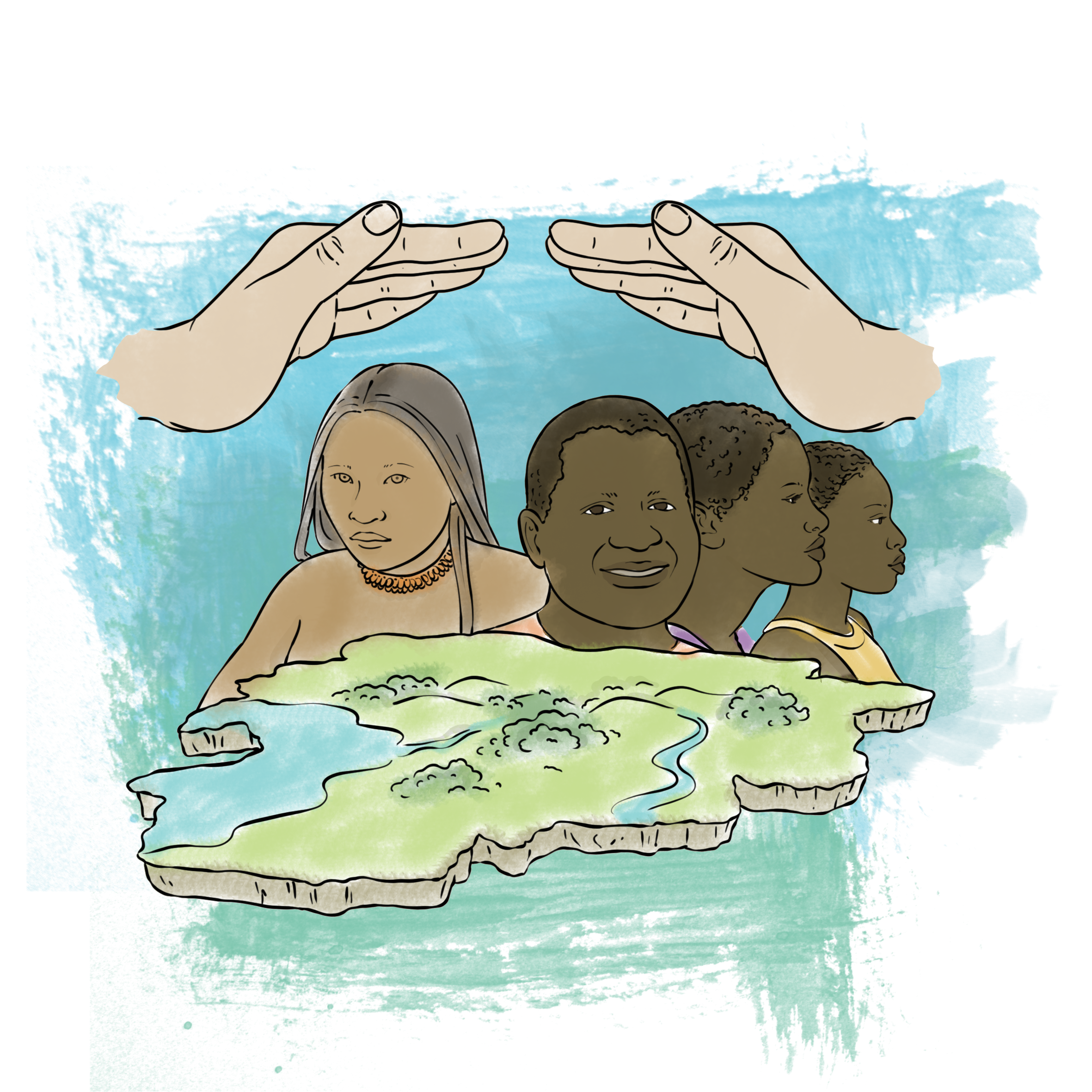
The collective rights to land of tribal and indigenous people in Suriname are recognized by presidential decree. From April 2000 onwards, a presidential decree recognizes the collective rights of indigenous and tribal peoples of Suriname on their respective residential areas as these have been and continue to be known for centuries. Such areas were indicated…
-
2000. The VSG files a petition
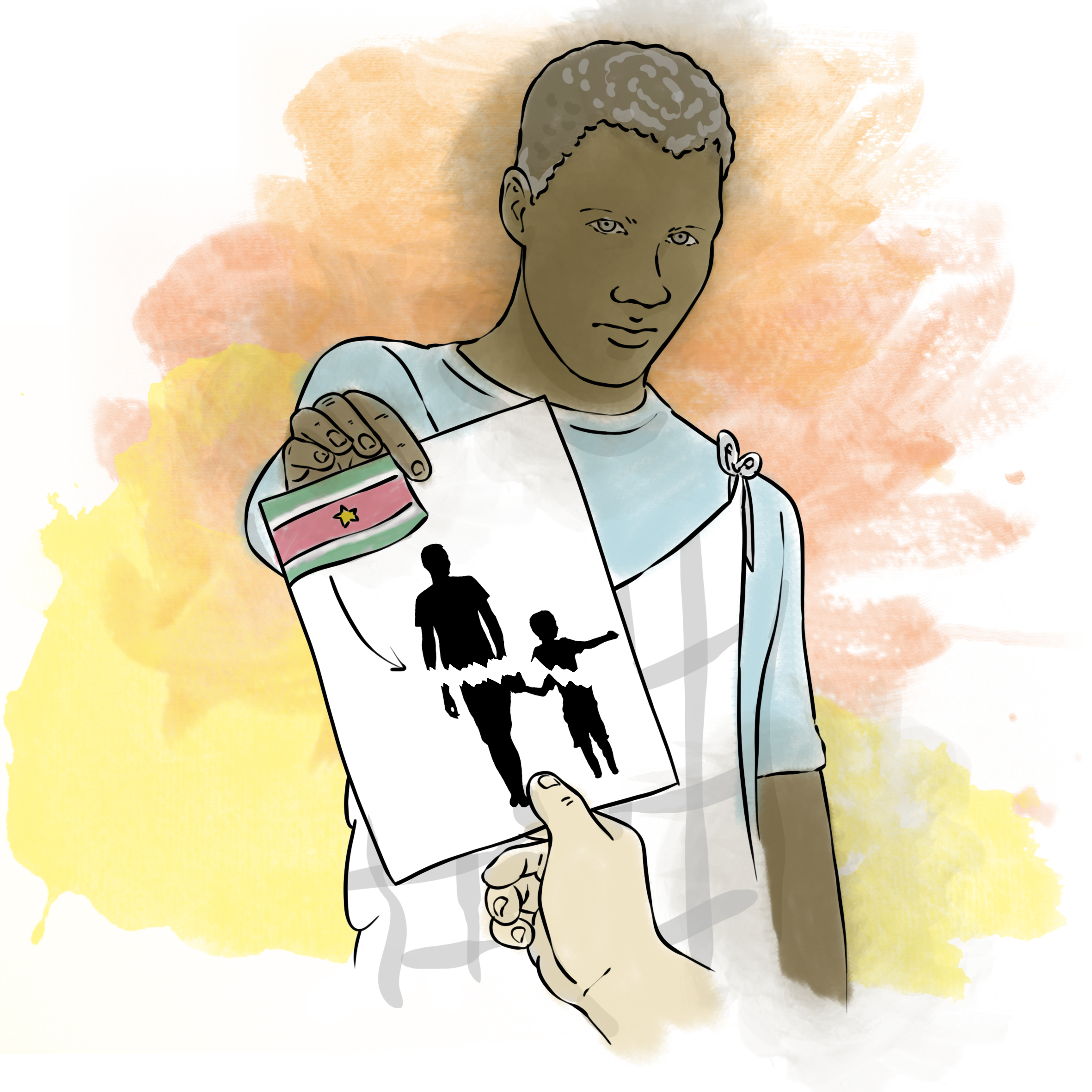
The VSG files a petition to the Inter American Commission on Human rights (IACHR) to address human and land rights violation by the Government of Suriname. The VSG have sought the assistance of the Inter-American Commission on Human rights to make the Government of Suriname stop human and land rights violation due to the granting…
-

1996. Saamaka traditional authorities organize
Saamaka traditional authorities organize into the Association of Saamaka Authorities (VSG) to defend their territory from Chinese multinationals pursuing logging in Saamaka lands. In March 1996 Saamaka traditional leaders representing 77 villages (approximately 35,000 persons) organize into the Association of Saamaka Authorities (VSG) to represent the position of Traditional Saamaka leaders vis a vis the…
-
1993. Logging concession to multinationals
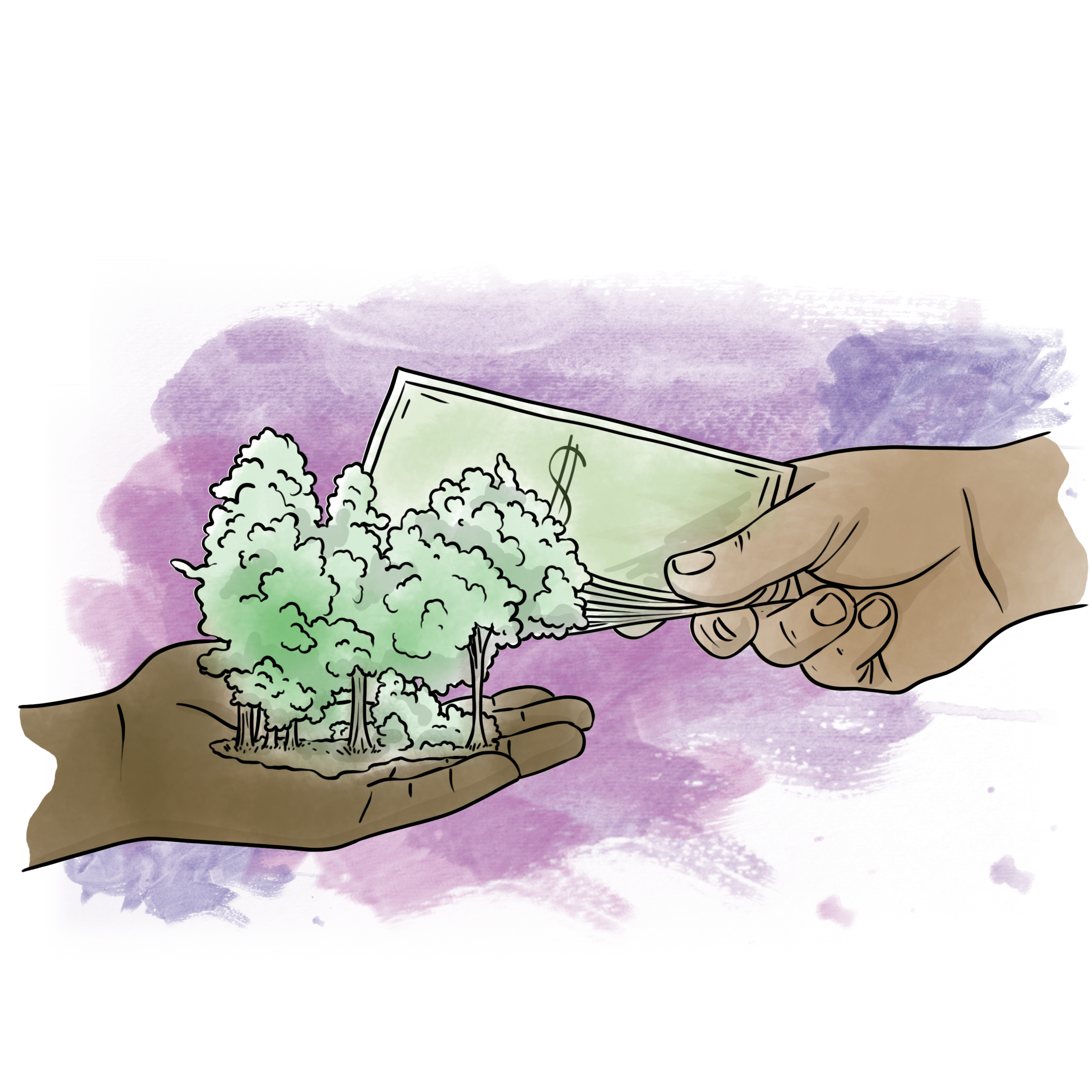
The Government of Suriname grants logging concession to multinationals in Saamaka territory without consulting Saamaka people. There is an invasion of Chinese multinationals who enter the Saamaka territory with workers in bulldozers and with chainsaws to open up forest areas and harvest timber. Saamaka people were surprised as they did not know of the arrival…
-

1989. The Kourou peace agreement
The Kourou peace agreement is signed between the Jungle commando and Government of Suriname ending the armed conflict. The Kourou Peace agreement was signed by the Government of Suriname and the Jungle Commando on 21st of july 1989 to formally stop the armed conflict and enable refugees in French Guiana to return home. Saamaka settlers…
-
1986-1991. Armed conflict
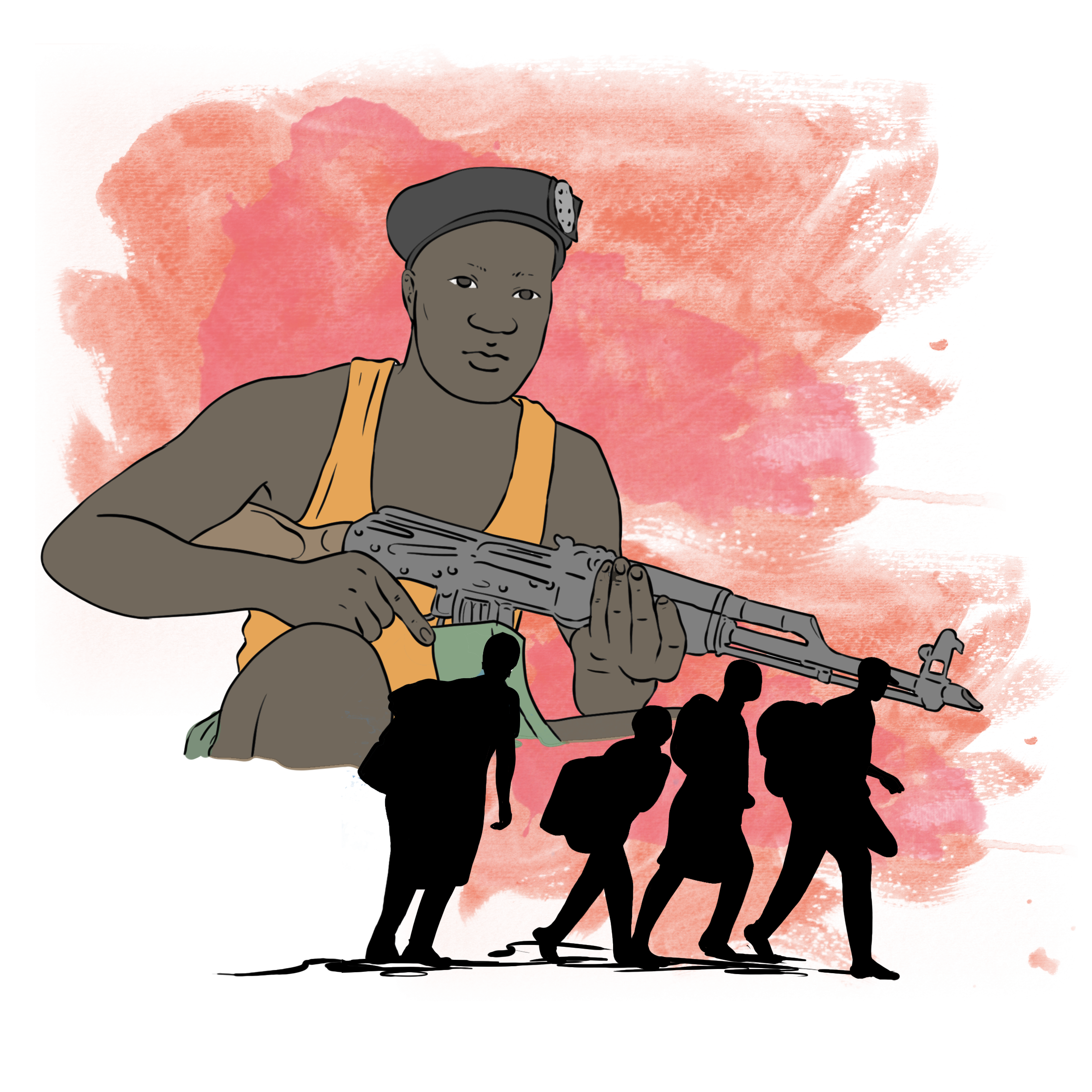
Armed conflict between Jungle Commando (guerrilla) and the National Army. The armed conflict lasted from 1986 to 1991. The war revolved around control of eastern Suriname and other areas which were used as cocaine trade hubs. In the period 1986-1989 the fighting was heaviest. Two Saamaka villages, Pokigron and Wakibasu were burnt down and physical…
-
1979. First open gold concession
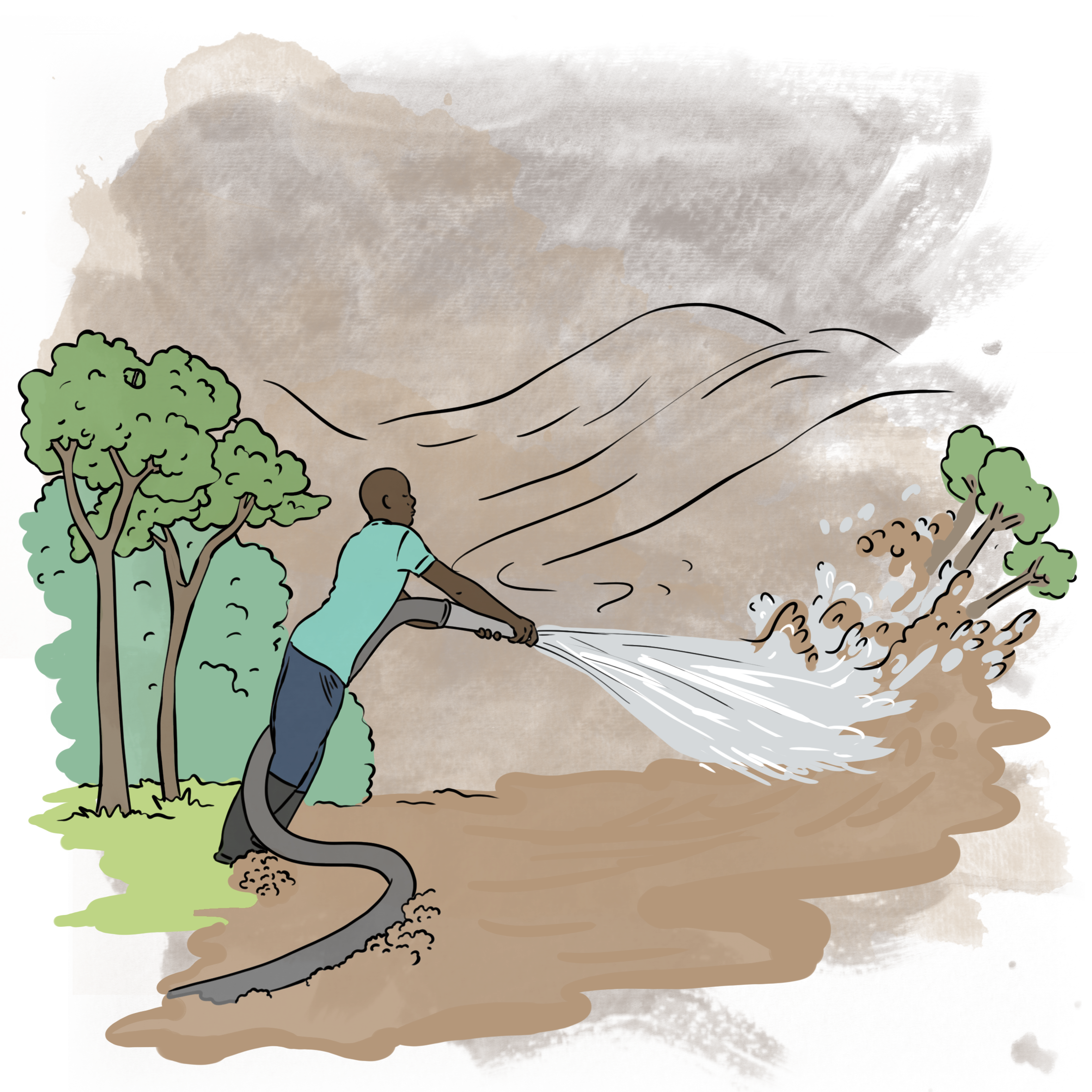
First open gold concession within Saamaka territory granted to the State owned gold mining company Grasshopper Aluminum Company (Grassalco). Gold deposits were discovered within Saamaka territory in the area known as Rosebel. There were no environmental nor social assessment required at that time. After signing the mining agreement with the international mining company, exploration and…
-

1961-1964. Construction of the Afobaka Dam.
Mr. Prof. Ir. Van Blommenstein engineers and directs the construction of the Afobaka Dam. The construction started in 1961 and was finished in 1964. About 75% of the generated energy was used for aluminum production and the rest is consumed in Paramaribo. First violation of Saamaka human rights. An area of 156,000 hectares was flooded…
-

1958. Hydrodam project
The Government of Suriname approves the Afobaka hydrodam project. Suralco (Suriname Aluminum Company) received permission of the Surinamese Government to construct a hydrodam project (i.e. Afobaka dam) to supply power to the Aluminum smelter. The Afobaka dam is located in the Upper-Suriname river in the District of Brokopondo. Generation of 180 megawatt electricity from the…
-

1863. Abolition of slavery
King Willem III of the Netherlands abolished Slavery in Suriname and in all the Dutch colonies. About 32,911 afro-descendent people were freed from slavery in Suriname. It was not freedom because after the abolition of slavery on 1 July 1863, they were obliged to continue to work on the plantations for 10 more years until…