
Archives: Timeline Stories
-

2021. Hearings in local villages
The parliamentarians organize hearings in local villages across the country. Hearings are organized by the parliamentarians to give indigenous and tribal groups across the country space to present their position about the second draft of the land rights law and in order to prepare for the public debate. One meeting per indigenous and tribal group…
-
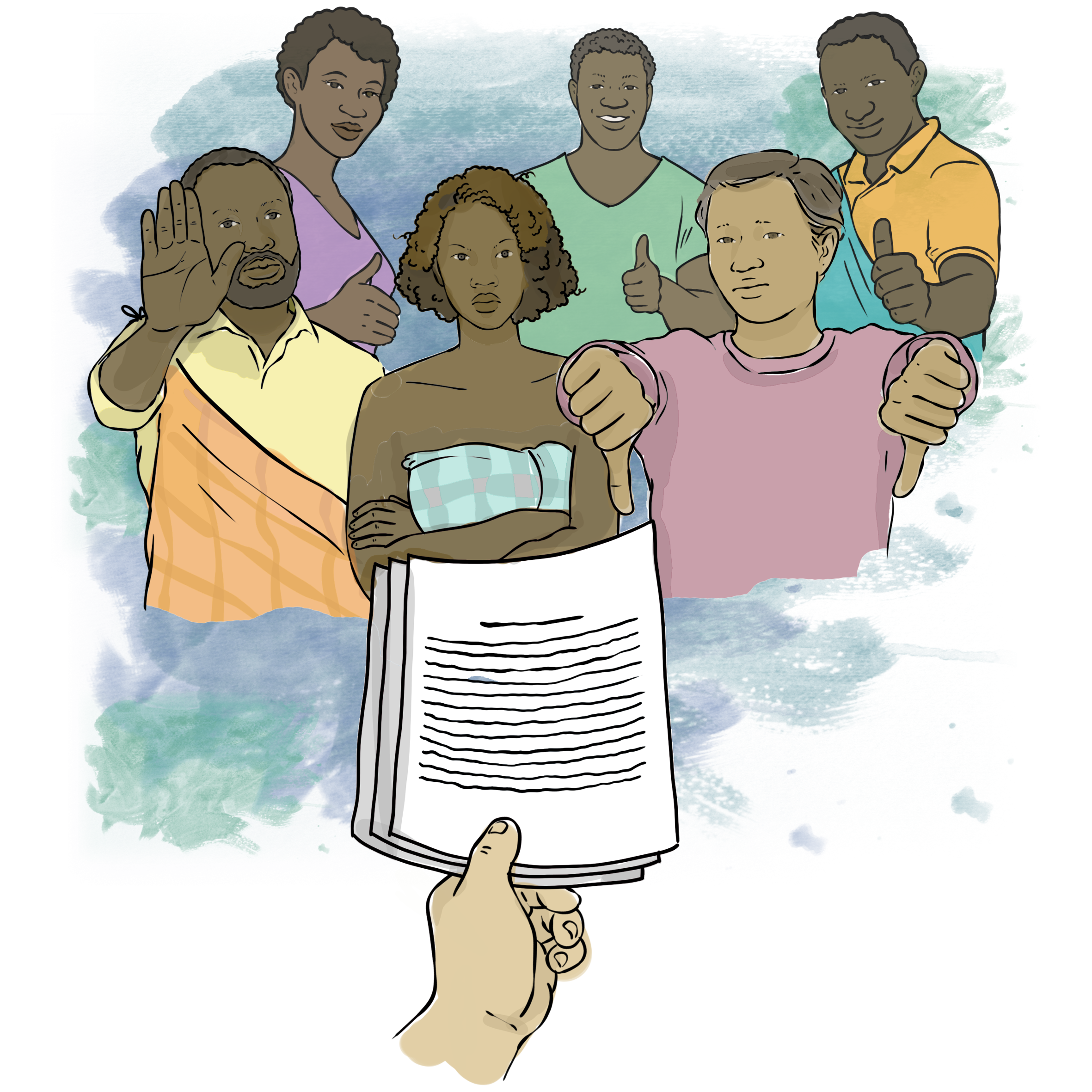
2020. The second draft law recognizing collective land right
The second draft law recognizing collective land right for indigenous and tribal groups is written without the input from indigenous and tribal groups. The second draft became a framework law separating the position of local stakeholders. The content of the second draft in relation to FPIC, demarcation, benefit sharing became separate laws while the…
-
2019. The first draft law collective rights
The first draft law collective rights for Indigenous and Tribal Peoples of Suriname is written in collaboration with the indigenous and tribal groups. KAMPOS and VIDS participate, with the Government in the formulation of the first draft of the land rights law including their position on important aspects. The draft was in discussion within…
-
2016. Creation of the Kampos Foundation
Leaders from the six different Tribal groups in Suriname organize into the Kampos Foundation (Kwinti, Aluku, Matawai, Paamaka, Okanisi, Saamaka). The six tribal groups of Suriname decide to organize into a foundation in order to create a common approach for the legal recognition of land rights of tribal peoples in Suriname. Also, in that…
-
2015. Protocol of engament
VSG and other tribal and indigenous groups in Suriname formulate a community project engagement protocol. VSG and other tribal groups join efforts to develop a Community Engagement protocol providing guidance to the Government of Suriname and outsiders on how to engage local communities in projects. The document is based on International agreements, guidelines and…
-
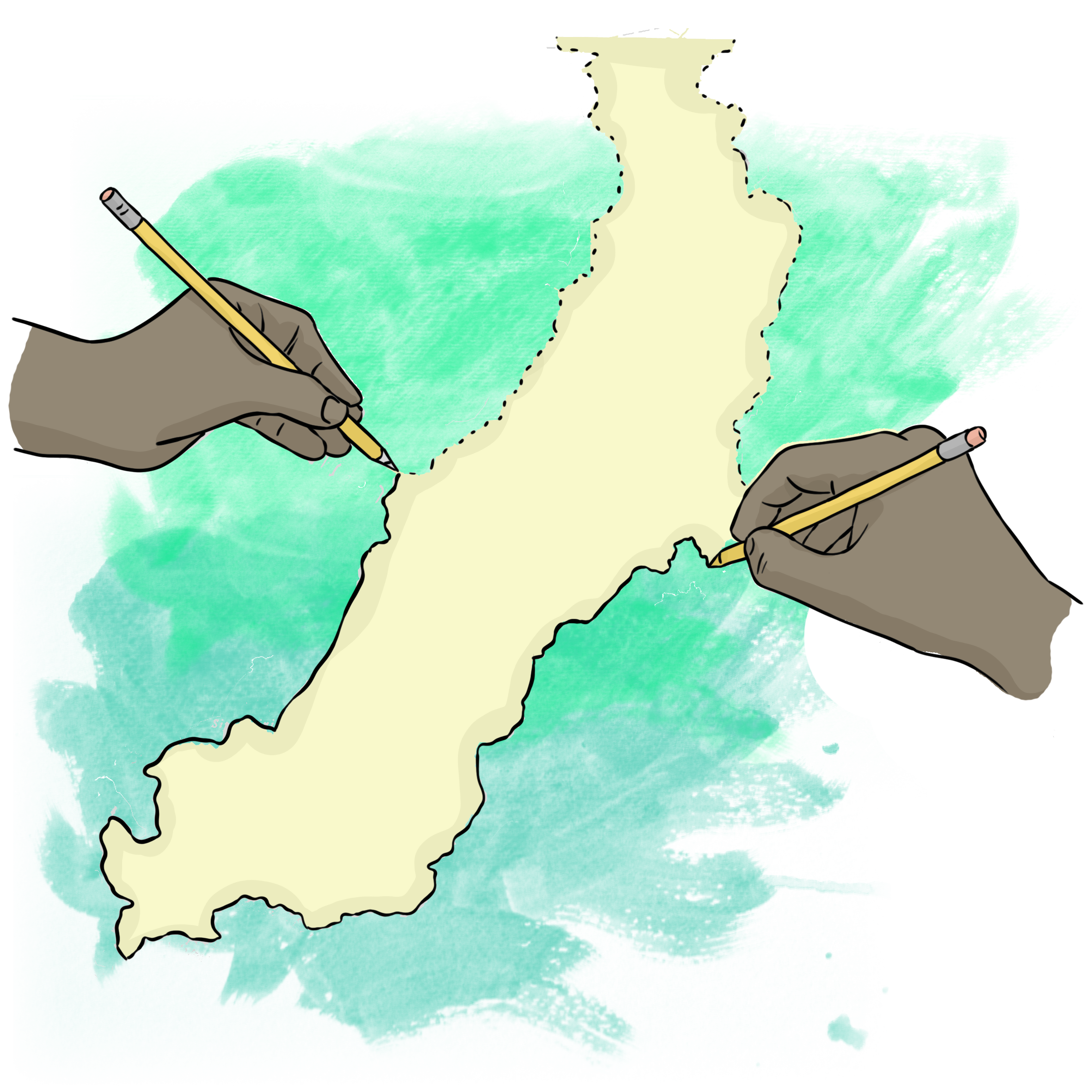
2013. Territorial demarcation
There is a boundary agreement signed with the neighboring tribes to the Saamaka territory. As part of the implementation of the Saamaka judgement, Saamaka tribe enters in conversation with neighboring tribes to agree on the demarcation of ancestral land. The natural watershed boundaries have been mutually agreed in writing. The Government of Suriname acts…
-

2009. Tribal Right Conference
A Tribal Right Conference was organized by the Government as a space to steer the land rights discussion in Suriname. The Ministry of Regional Development organized a conference on tribal rights with the aim to open a space to make more structural contribution to the land right discussion and enter into action. The…
-
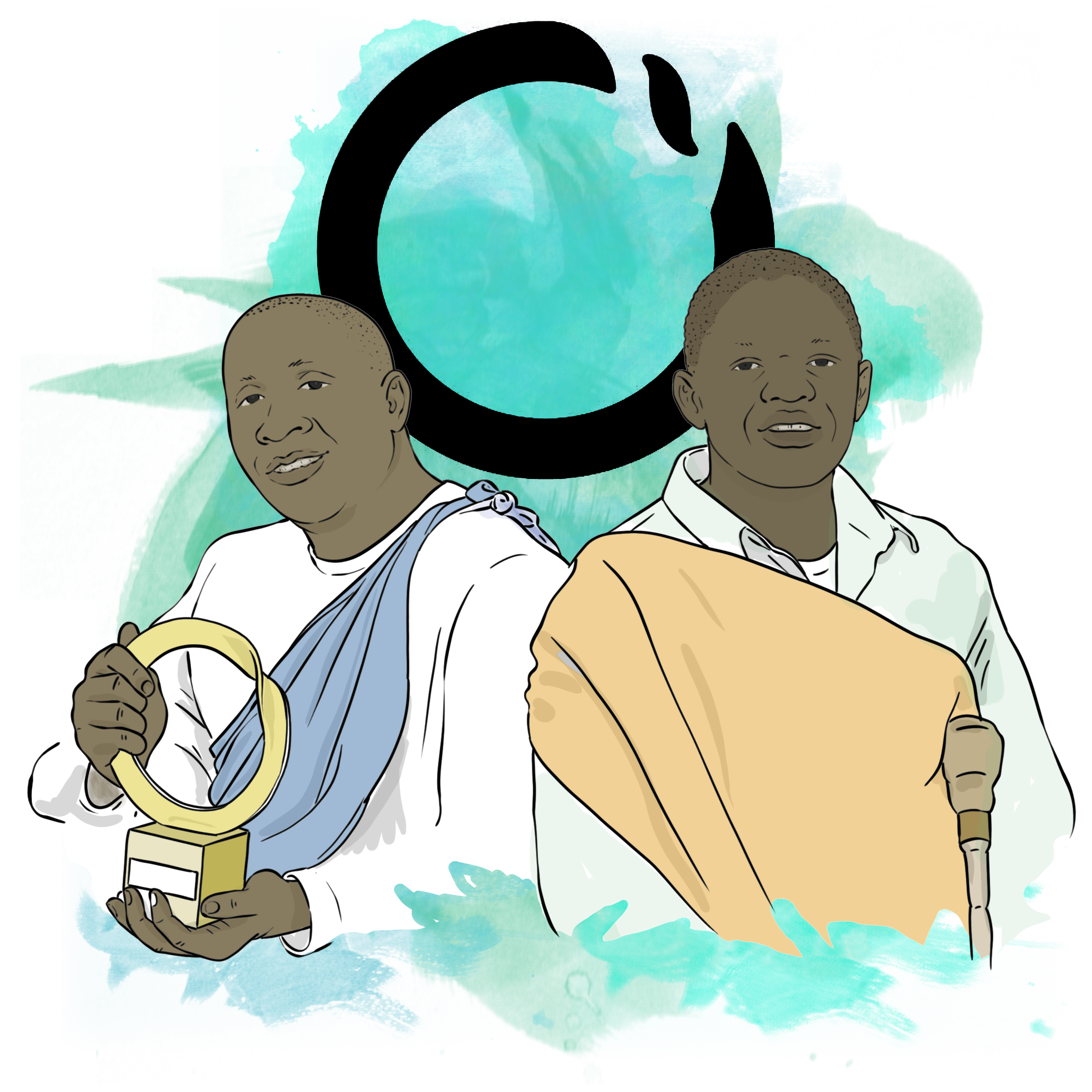
2009. Goldman Prize Award
Two Saamaka leaders win the Goldman Prize Award. The Goldman Foundation awards the Goldman Environmental Prize to two Saamaka leaders for their achievement protecting the human and social rights of Saamaka people and other Tribal groups throughout the Americas and for protecting more than 90,000 square kilometers of forest against logging by multinationals. The…
-

2007. Saamaka Judgement
The Government of Suriname is obliged by the Inter-American Court on Human Rights to legally recognize traditional land rights to Indigenous and Tribal people of Suriname. In 2007, the Saamaka won a victory before the IACHR guaranteeing territorial rights not just for the Saamaka, but for all Indigenous and tribal people of Suriname. Also, International…
-
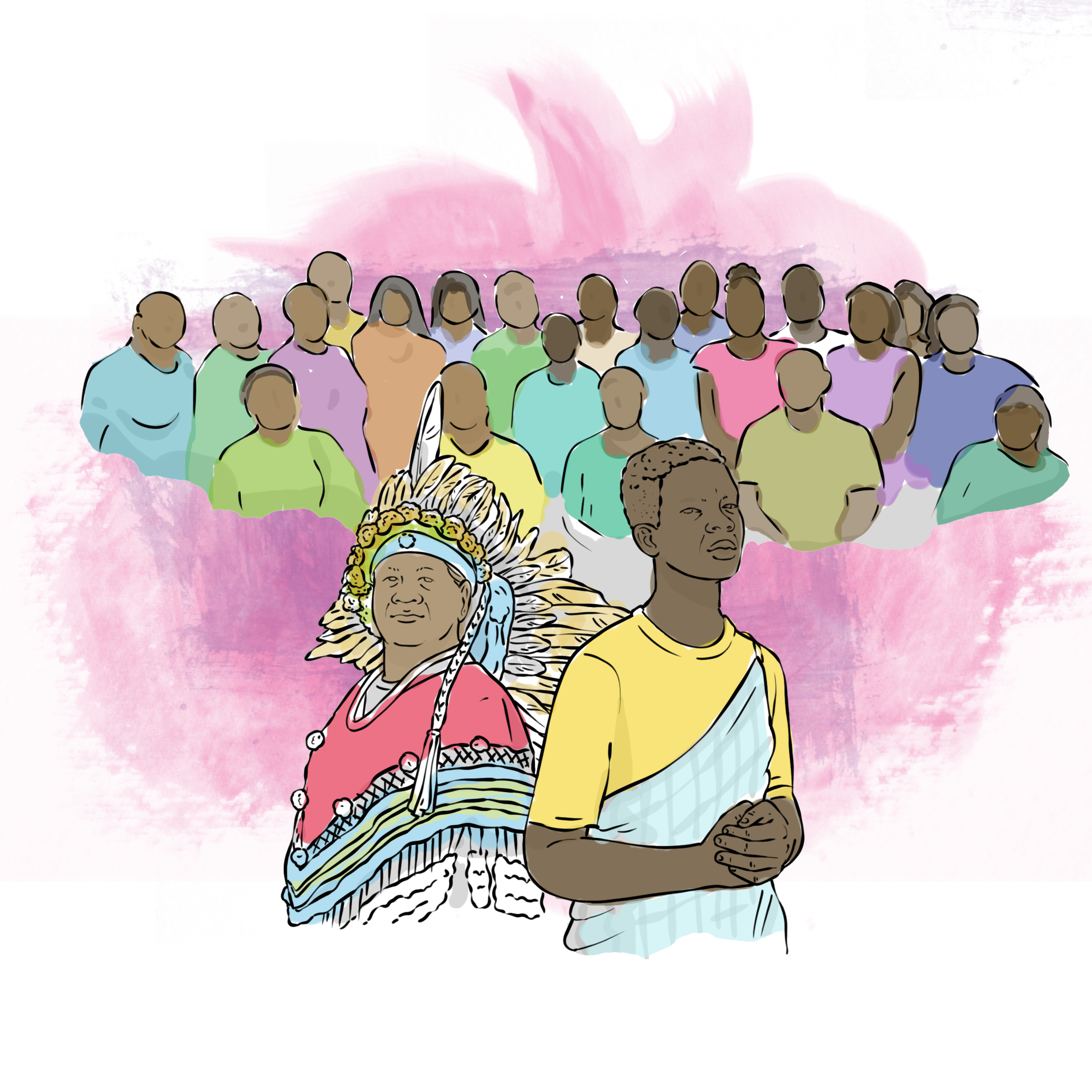
2006. The first draft framework law
The first draft framework law to legally recognize collective land rights for Indigenous and Tribal people is discussed among indigenous and tribal groups in a meeting in the village of Dritabiki. A big meeting is organized in the village of Dritabikiby the highest representatives of indigenous and tribal groups of Suriname. The purpose is to…